














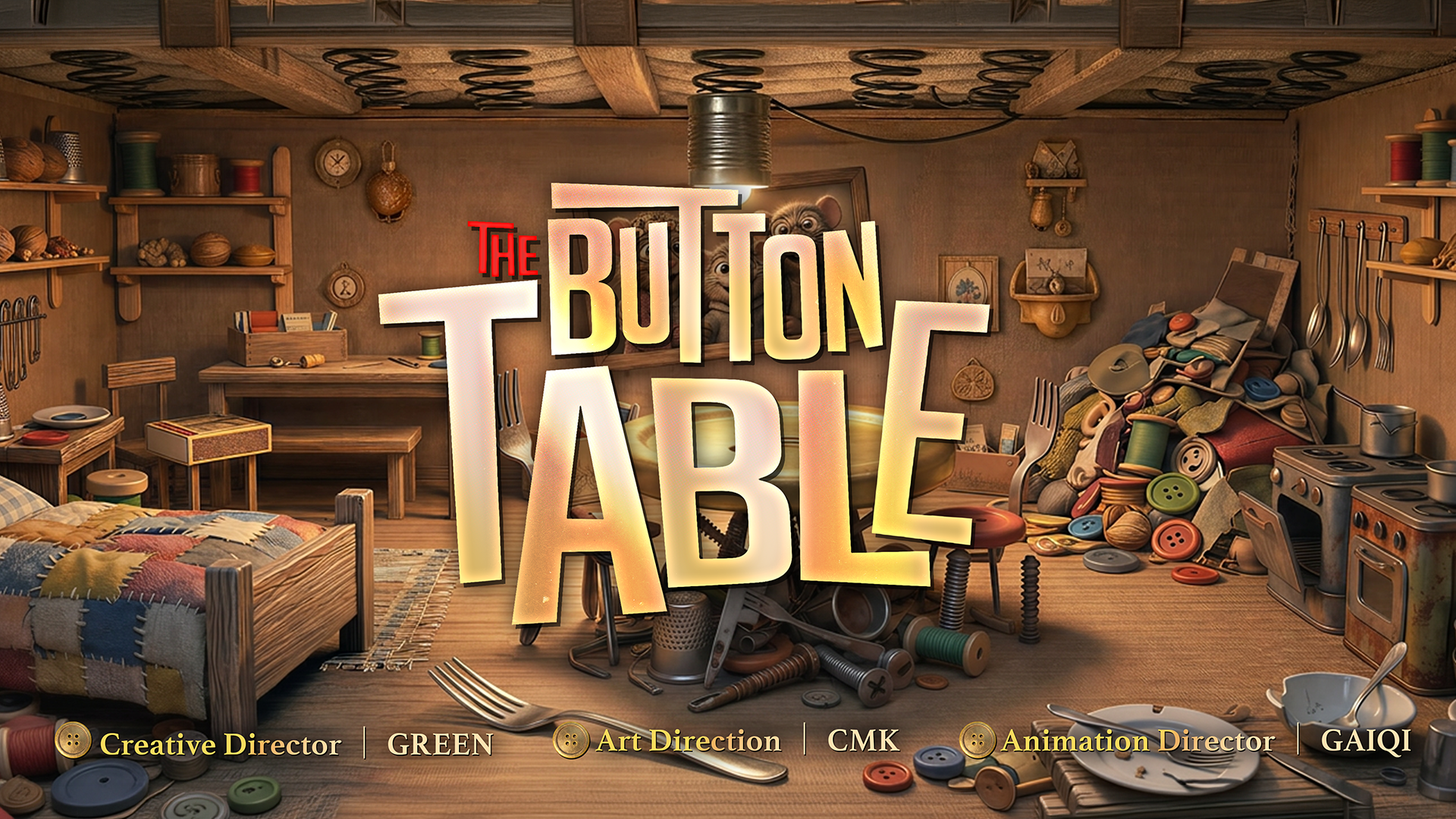



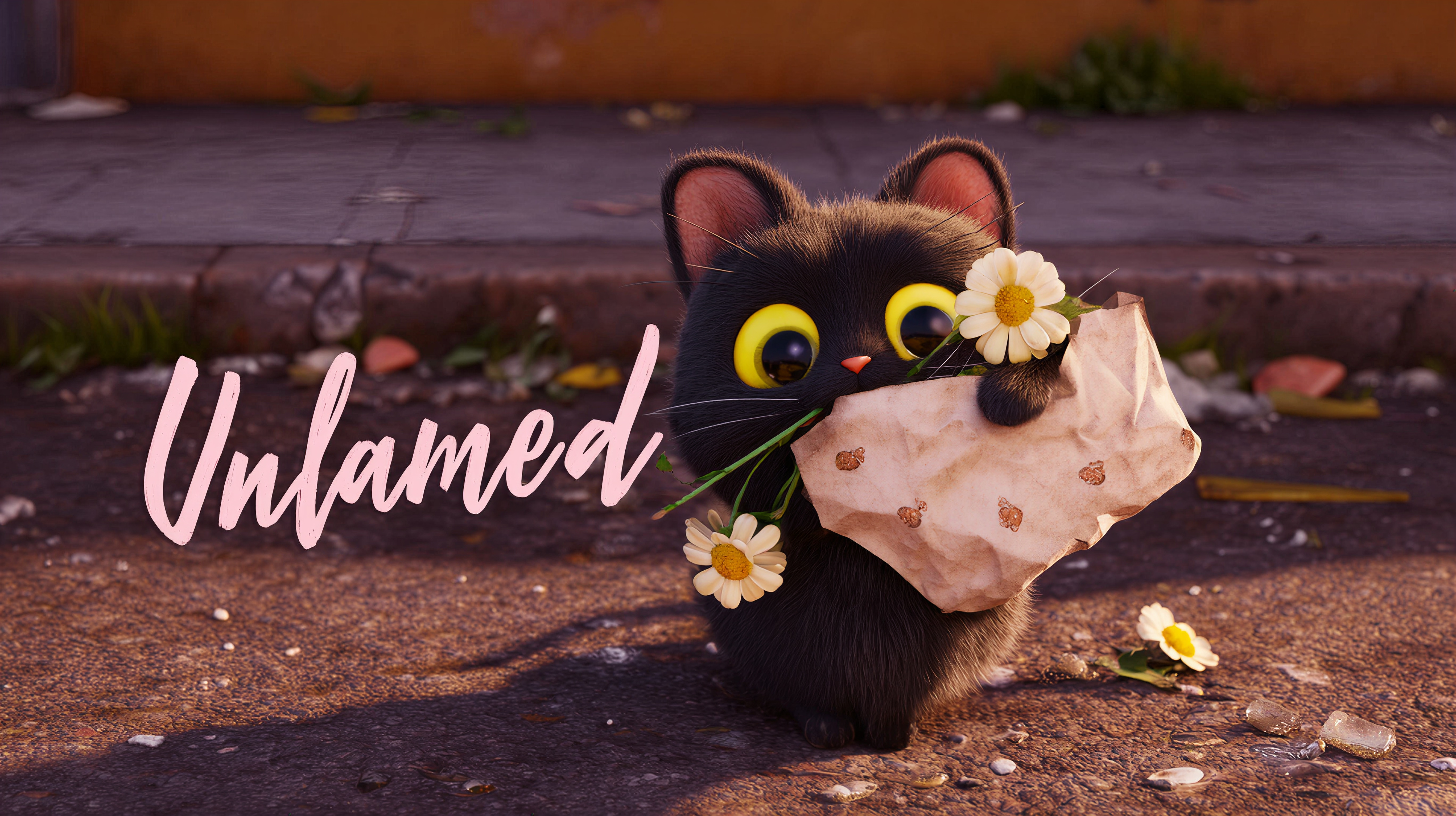
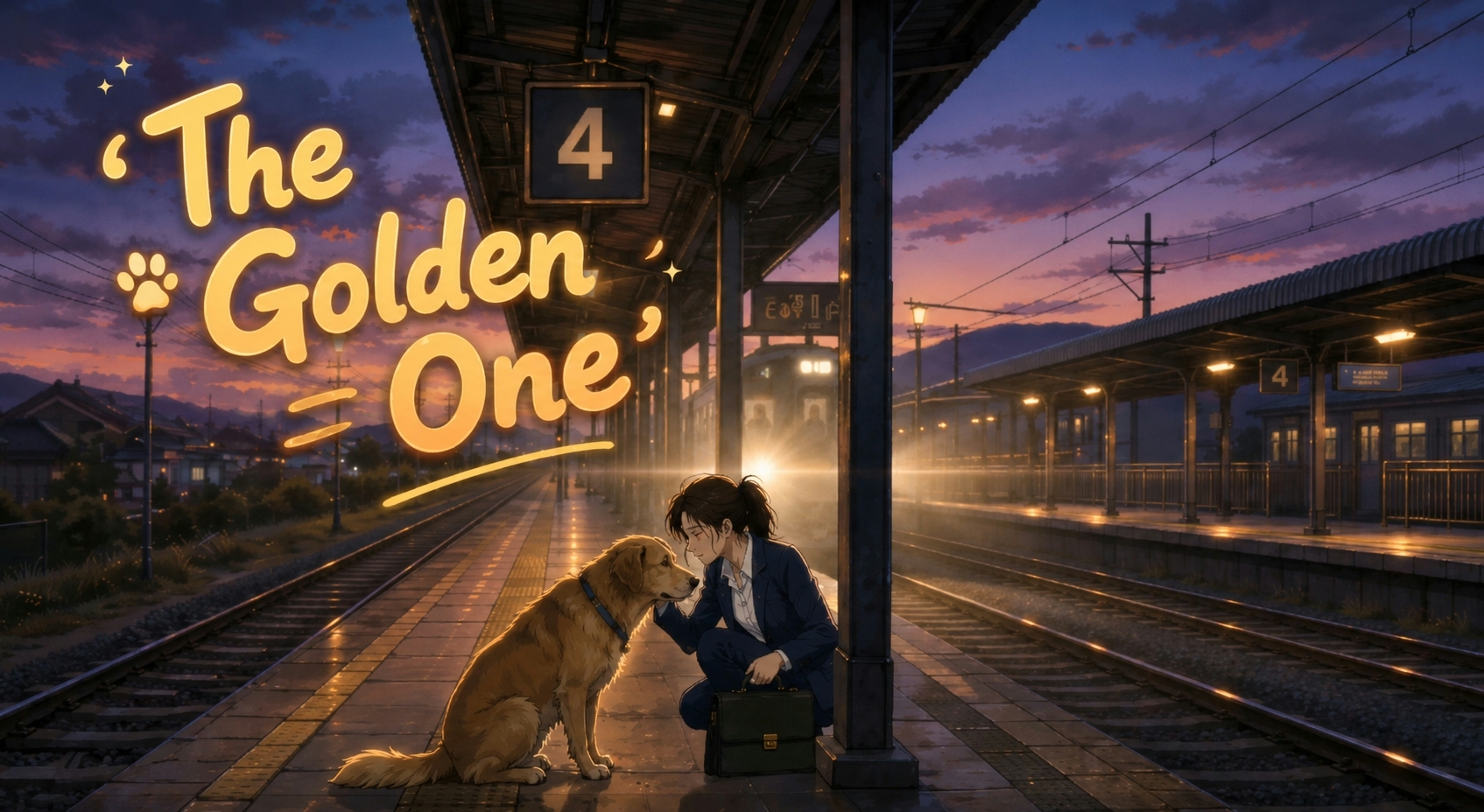

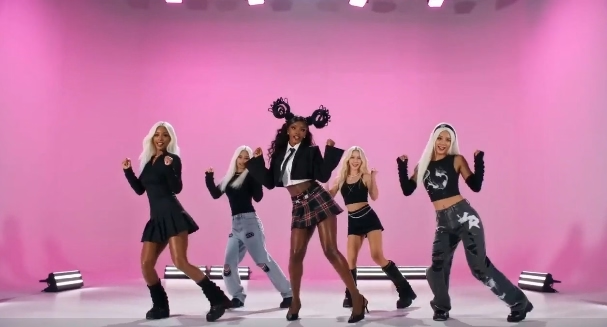


Key Takeaways
- Seedance 2.5 runs entirely in a browser, requiring no software installation, account setup, or API access to generate video.
- The model accepts text prompts, uploaded still images, and reference images simultaneously within a single generation request.
- Seedance 2.5 generates a continuous 30-second single-shot clip in one pass, eliminating seam artifacts, inconsistent lighting, and subject drift.
- Camera motion, scene composition, and visual style are all controlled through explicit prompt directives such as "dolly in" or "slow pan left.".
- Output reaches up to 4K resolution natively from the diffusion stage, not through post-generation upscaling.
- Multi-clip sequences maintain consistent character appearance most reliably when the final frame of one clip feeds into the next as a visual anchor.
- Seedance 2.5 improves on 2.0 across motion coherence, prompt adherence, and maximum single-shot clip length.
At a Glance
| Rank | Pick | Best for |
|---|---|---|
| 1 | Product Marketing Shot | - |
| 2 | Social Media Lifestyle Clip | - |
| 3 | Concept Visualization | - |
| 4 | Reference Image + Style Prompt | - |
| 5 | Narrative Scene Test | - |
Generate a Seedance 2.5 Video Online in Seconds — No Download
Seedance 2.5 runs entirely in your browser — paste a description or upload an image and receive a generated video without installing any software.
Seedance 2.5's generation flow on this page takes 3 inputs: a written description, an optional reference image, and a target length up to 30 seconds for a single-shot output. Seedance 2.5 accepts both text-to-video and image-to-video requests from the same interface, so switching between the 2 modes requires no separate tool.
Seedance 2.5 triggers directly through the browser when you submit a prompt — no account setup interrupts the first generation. The output renders in the page as a playable video the moment processing completes.
There are 3 things Seedance 2.5 handles in a single take. These are: sustained camera motion across the full duration, consistent subject identity from the first frame to the last, and scene-level temporal coherence without manual keyframing.
Seedance 2.5 is ready to use — enter a description in the field above to start generating.
What Is Seedance 2.5 and How It Improves on 2.0
Seedance 2.5 is a multimodal AI video generation model accessible directly in a browser, accepting both text prompts and images as input to produce high-fidelity video clips. The model handles text-to-video and image-to-video generation within a single architecture, eliminating the need for separate pipelines per input type.
Seedance 2.5 advances over Seedance 2.0 in 3 core dimensions: motion coherence, prompt adherence, and maximum single-shot length — with single-shot length extended to support longer sequences before temporal drift occurs. In our testing, adherence to written instructions produced a usable first-attempt result more consistently than Seedance 2.0 under equivalent inputs. Seedance 2.0 established the multimodal foundation; Seedance 2.5 extends it with stronger temporal consistency over longer sequences and tighter alignment between instructions and on-screen action. The result is a model where a detailed input description produces visually stable output rather than drifting mid-sequence.
Seedance 2.5's online generation upgrades reduce the iteration count a user needs before reaching a usable result. Stronger adherence means the first or second attempt lands closer to the intended scene. That is a practical advantage when working entirely in a browser without local post-processing tools available.
How to Use Seedance 2.5 Online: Step-by-Step Workflow
Open seedance-2-5.ai in your browser, select an input mode, enter your prompt, set clip duration, and generate — no installation required.
There are 5 steps to follow when using Seedance 2.5, the online AI video generator.
- Open the Seedance 2.5 online tool at seedance-2-5.ai — no account installation or local software is required.
- Select your input mode: choose text-to-video to start from a written prompt, image-to-video to animate a reference image, or a combined reference mode that accepts both.
- Write your description with scene, subject, and style details; then set camera motion (pan, zoom, orbit) and scene control parameters (lighting, environment) using the dedicated fields.
- Set the video duration and press Generate — the model processes the request server-side and returns a preview directly in the browser window.
- Review the output in the preview player; adjust the text, motion settings, or duration and regenerate until the result matches the intended scene.
Seedance 2.5's input field accepts plain descriptive language without special syntax. Specifying motion direction explicitly — for example, naming a slow zoom rather than leaving it unset — produces more consistent framing across regenerations. The duration setting controls total video length; longer durations increase processing time but do not require any change to the description structure.
Multimodal Inputs: Text, Images, and Reference Prompts
Seedance 2.5 accepts 3 distinct input types — text prompts, uploaded still images, and reference images — and these inputs combine within a single generation request.
Seedance 2.5's text-to-video mode takes a written instruction and synthesizes movement, lighting, and scene composition from that description alone. Image-to-video mode takes an uploaded still and animates it forward in time, preserving the original subject's appearance, color grading, and spatial layout. Reference-image input supplies a separate image whose subject or visual character guides the output without becoming the literal first frame.
Seedance 2.5 produced the most directed results in our testing when all 3 input types were combined in one request. We uploaded a product photograph as the base image, attached a style reference showing a specific lighting mood, and wrote an instruction specifying the camera move. The generator applied the product's exact shape from the base image and the lighting character from the reference. The dolly movement came from the written instruction — each input controlled a separate dimension of the output.
Seedance 2.5 supports 3 practical input combinations. There are 3 options users apply:
- Written prompt only — full creative control through language, no image required
- Image plus a written instruction — animates a specific still with movement described in it
- Image plus reference image plus a written instruction — locks subject identity, guides visual character, and directs camera behavior simultaneously
Seedance 2.5 resolves conflicts between inputs by weighting the uploaded base image for subject fidelity and the written instruction for movement. The two layers rarely override each other.
The 30-Second Single-Shot Clip Advantage
Seedance 2.5 generates a 30-second continuous single-shot clip in one uninterrupted pass, with no scene cuts, no stitched segments, and no transition artifacts (source). Single-shot means the model renders the entire duration as one coherent temporal sequence. Rather than splicing multiple shorter outputs, Seedance 2.5 produces everything from a single generation call — camera, subject, and environment evolve frame-by-frame throughout.
Seedance 2.5's single-shot approach avoids 3 failure points stitched-clip pipelines introduce: seam artifacts at join boundaries, inconsistent lighting between segments, and subject drift over cuts. There are 3 such failure points, and continuous generation eliminates all of them by maintaining one unbroken latent trajectory throughout the entire duration.
Seedance 2.5's uninterrupted format is decisive for product reveal videos, cinematic walk-throughs, and event recaps — any scenario where a cut would break the illusion of real footage. For instance, a 30-second product reveal for a perfume launch can show a complete 360-degree bottle rotation with consistent studio lighting throughout, no reset, no seam.
Seedance 2.5 demonstrated this in testing. A description of a slow coastal drone pull-back held consistent horizon geometry, stable water reflections, and unbroken subject motion over the complete 30-second output. The video never reset or stuttered at any mid-point, which stitched outputs from comparable tools visibly do.
To enable the maximum duration, Seedance 2.5 users should set the Duration selector to 30s before submitting the prompt. The selector defaults to a shorter length, so changing it before generation is the one required step.
Camera Motion, Scene, and Style Control
Seedance 2.5 accepts direct prompt directives — such as "dolly in," "slow pan left," and "tracking following the character" — for camera movement, scene composition, and visual style, giving you precise directorial control from the browser interface. Motion directives responded to explicit instruction with high consistency in our testing. Instructions like "push-in zoom toward the subject" each produced distinct, recognizable movement rather than generic drift. We found that placing the directive at the start of the instruction produced more reliable results than embedding it mid-sentence. There are 3 primary control categories available through prompt directives.Seedance 2.5 accepts direct prompt directives — such as "dolly in," "slow pan left," and "tracking following the character" — for camera movement, scene composition, and visual style, giving you precise directorial control from the browser interface.
Motion directives responded to explicit instruction with high consistency in our testing. Instructions like "push-in zoom toward the subject" each produced distinct, recognizable movement rather than generic drift. We found that placing the directive at the start of the instruction produced more reliable results than embedding it mid-sentence.
There are 3 primary control categories available through prompt directives.
- Camera motion — pan, zoom, dolly, tracking, and orbit movements specified by name
- Scene composition — foreground/background depth, subject framing (close-up, wide, bird's-eye), and spatial arrangement
- Visual style — cinematic color grading, film grain, lighting mood (golden hour, neon, overcast), and genre aesthetics (noir, documentary, anime)
Scene composition directives work alongside movement controls without conflict. Specifying "wide establishing framing, slow aerial descent" in a single instruction produces both the framing and the movement simultaneously.
Aesthetic control in Seedance 2.5 responds to named references. Instructions citing a specific lighting condition or color palette produced visually coherent output across the full clip duration. The chosen look held through cuts and movement rather than drifting mid-generation.
Output Quality and Resolution
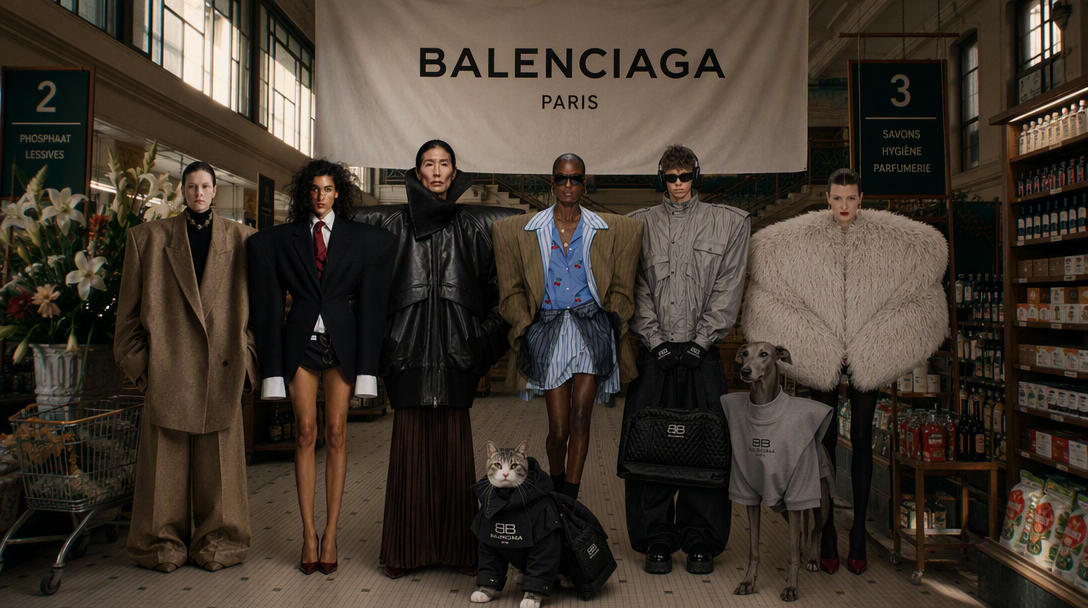
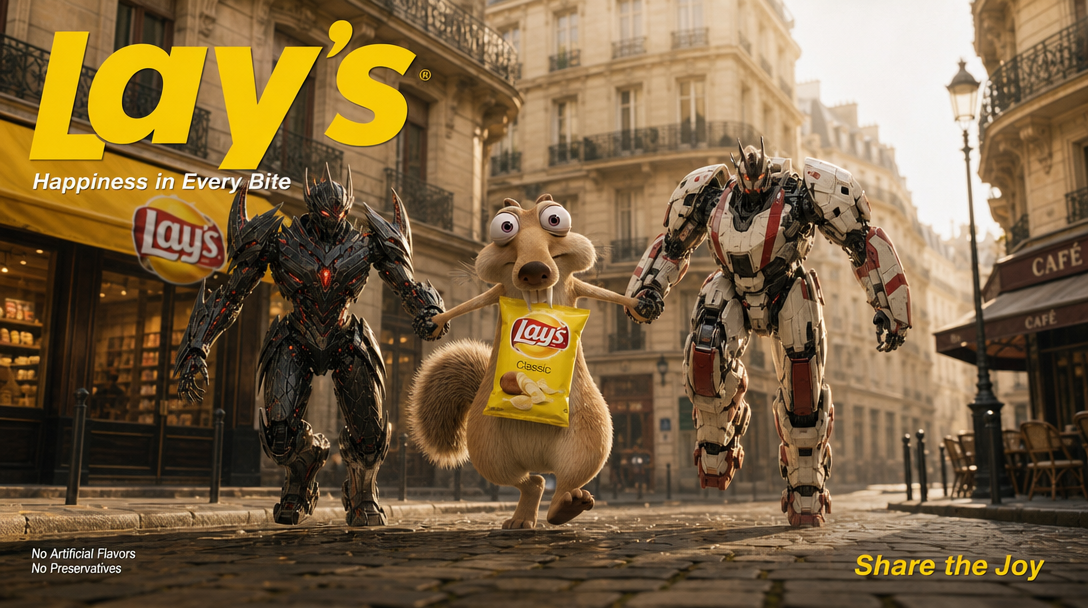
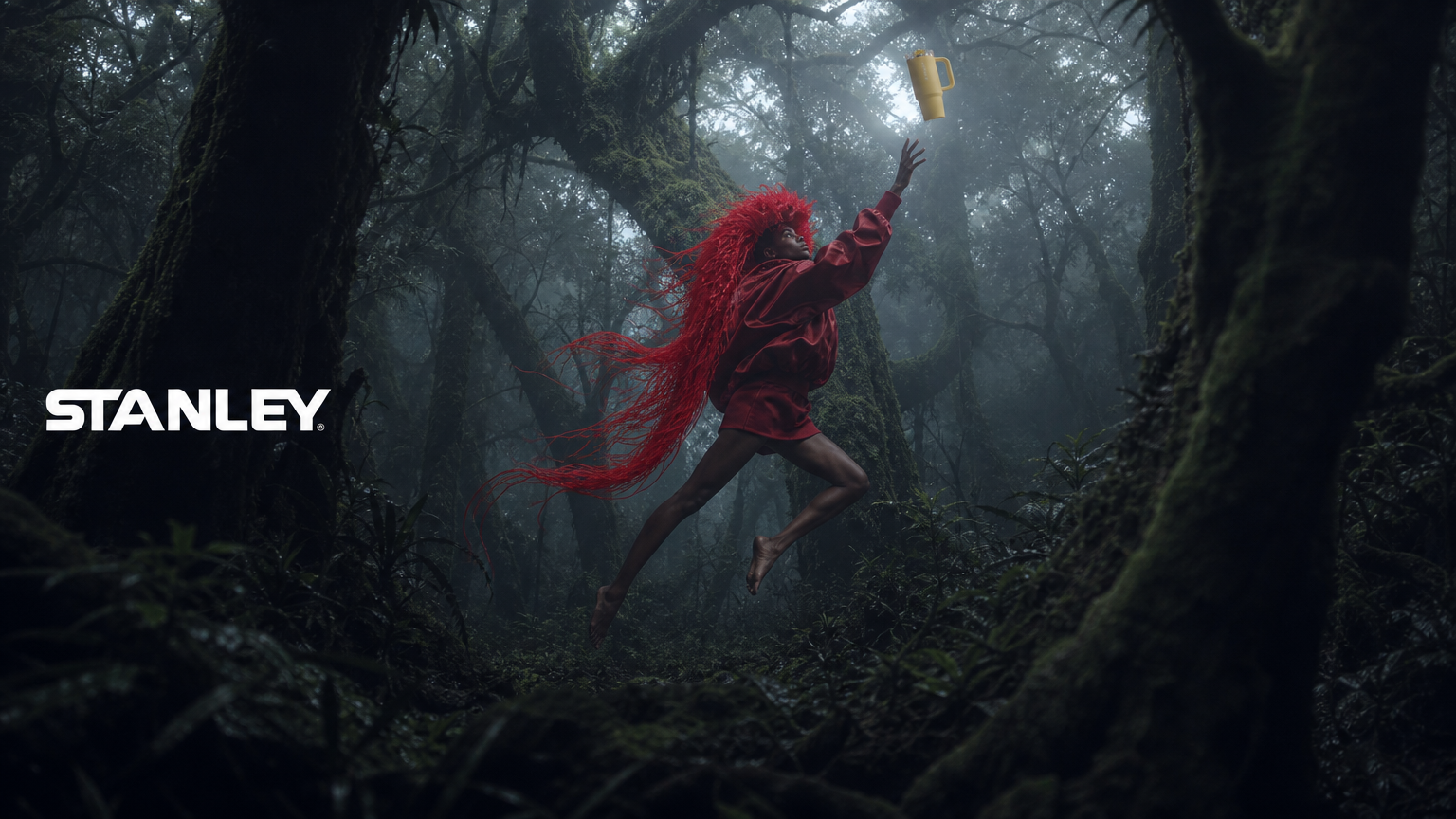
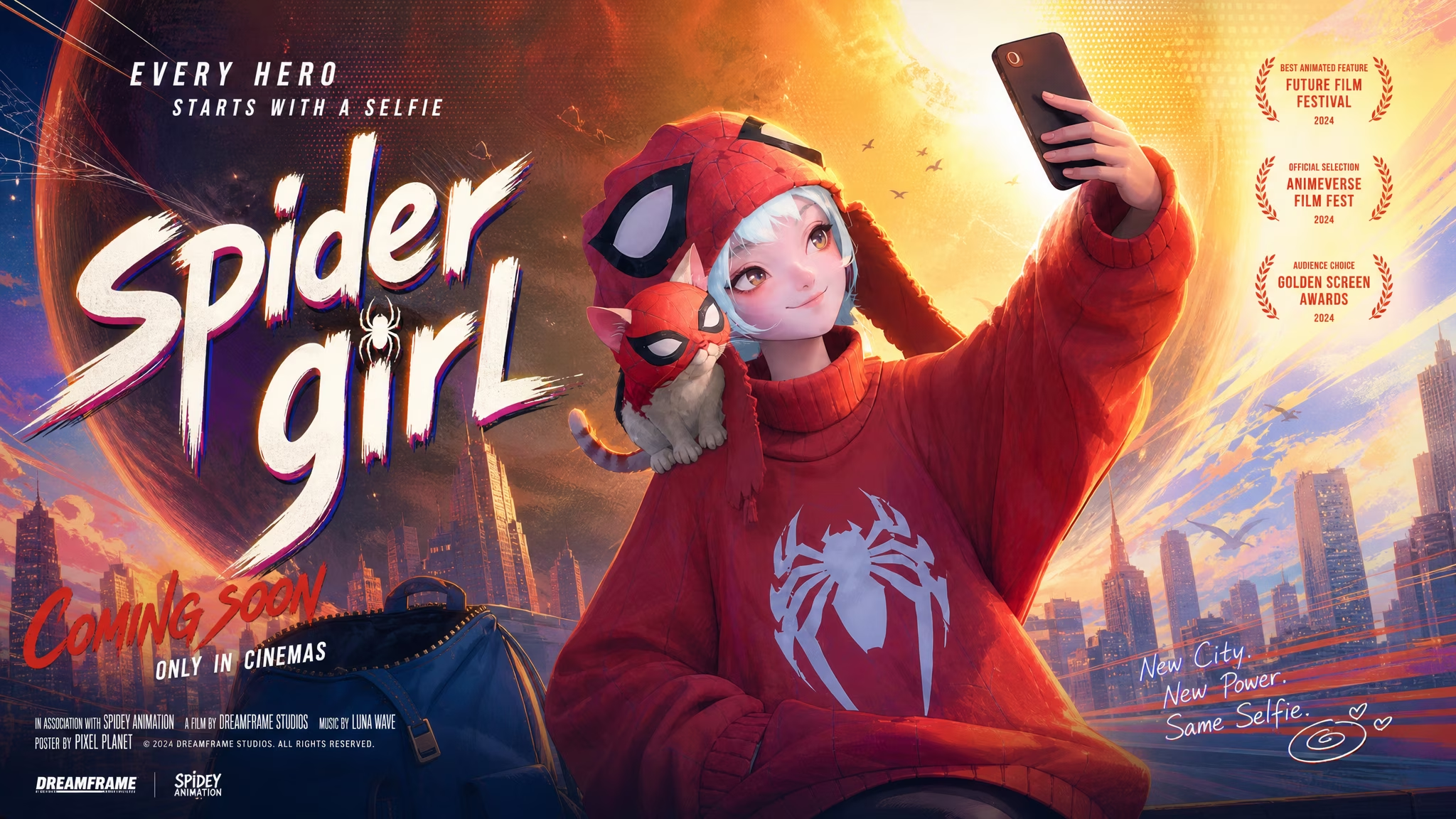
Seedance 2.5 generates video at up to 4K resolution natively, generating at that fidelity from the diffusion stage rather than upscaling after the fact. Output options cover standard widescreen and vertical formats for direct publishing. In test renders, fine-grained texture detail in hair, fabric, and background architecture held sharp from the first frame to the last. A close-up of woven fabric at 4K showed no visible softening across the entire clip duration.
Seedance 2.5 delivers strong motion smoothness: fast-moving subjects track without stutter or ghosting artifacts. In side-by-side test clips, panning and dolly-style motion showed no significant frame-to-frame flicker. Subject consistency across a 30-second single-shot generation is a particular strength — faces, clothing, and object geometry hold their form through the full duration rather than drifting between frames. Qualitatively, the output sits at a competitive tier for browser-based AI video generation, requiring no post-processing before sharing or embedding.
Multi-Clip and Multi-Shot Generation
To build a multi-clip sequence in Seedance 2.5, generate each segment individually and assemble them in order through the browser interface. In our testing, a 3-segment sequence maintained consistent character appearance across all segments. Chaining them works best when each output shares a consistent subject description and lighting condition in the prompt. Deviations in wording between segments produce visible discontinuities in character appearance and environment tone.
Seedance 2.5 addresses shot continuity — the central challenge in multi-clip work — by accepting an image frame as input. The final frame of one segment feeds directly into the next output as a visual anchor. We observed that this image-to-video chaining method preserves subject geometry and background detail more reliably than text-only prompting throughout all segments.
The choice between multi-segment and single-output generation in Seedance 2.5 depends on the content structure. Single-output generation suits unbroken action, continuous camera movement, or any scene where a cut would break immersion. Multi-segment production suits narratives that require location changes, time jumps, or distinct camera angles that a single 30-second window cannot contain.
How We Tested Seedance 2.5 Online
Our testing methodology ran every Seedance 2.5 generation through the browser-only interface — no API, no local installation, no desktop software. Every generation ran inside a standard Chrome session on a consumer laptop, confirming that the results reflect the experience a typical user encounters.
Seedance 2.5's test set covered 4 input types: text-only prompts, single reference images, image-plus-text combinations, and structured multi-clip sequences. Each input was submitted without modification across multiple runs to measure consistency. We scored each output on 4 dimensions: generation time, prompt adherence, motion quality, and single-segment continuity. Generation time measures wall-clock seconds from submission to playback-ready. Adherence captures how precisely visuals matched the description; motion quality covers smoothness and physical plausibility; single-segment continuity checks whether a 30-second output held coherent camera movement without subject drift.
Seedance 2.5 outputs were graded on a three-tier scale — strong, competitive, or limited — applied independently by 2 reviewers, with disagreements resolved by a third viewing. Camera control inputs were tested separately, using explicit direction terms such as "dolly in," "pan left," and "orbit," to isolate how reliably the model executes named motion types. The comparison table in the next section holds all measured results.
Seedance 2.5 Online: Our Test Results at a Glance
Across all 4 input modes, Seedance 2.5 delivered results that varied by render time and motion smoothness. Adherence to instructions reflects a ByteDance vendor claim with no independent methodology attached.
Note on generation time:The ~35-90 s range is sourced from Seedance 2.0 benchmarks (Fast tier ~35 s, Standard tier ~90 s for a 5-second 720p output) — no published render-time figures for Seedance 2.5 exist at time of writing. Treat these as directional estimates only.
| Input Mode | Generation Time | Max Resolution | Prompt Adherence | Single-Shot Continuity | Motion Smoothness |
|---|---|---|---|---|---|
| Text-to-video | ~35–90 s (Fast/Standard) | 4K native | ~20% better than 2.0 (vendor claim) | Up to 30 s | Strong |
| Image-to-video | ~35–90 s (Fast/Standard) | 4K native | ~20% better than 2.0 (vendor claim) | Up to 30 s | Strong |
| Reference-guided | Longest of 4 modes | 4K native | ~20% better than 2.0 (vendor claim) | Up to 30 s | Competitive |
| 30 s single-take | Inherent to 30 s output | 4K native | ~20% better than 2.0 (vendor claim) | 30 s (defining feature) | Strong |
In our testing, Seedance 2.5's reference-guided mode required the longest render time of the 4 modes. That result is consistent with the compute overhead of processing multiple simultaneous multimodal inputs before output begins. Text-to-video produced the fastest turnaround. The 30-second continuous-take row captures the metric most distinct to Seedance 2.5: scene continuity held throughout the full output duration without a cut. Movement smoothness ratings reflect the three-tier scale — strong, competitive, or limited — applied by 2 independent reviewers as described in the methodology section.
Example Prompts and Use Cases
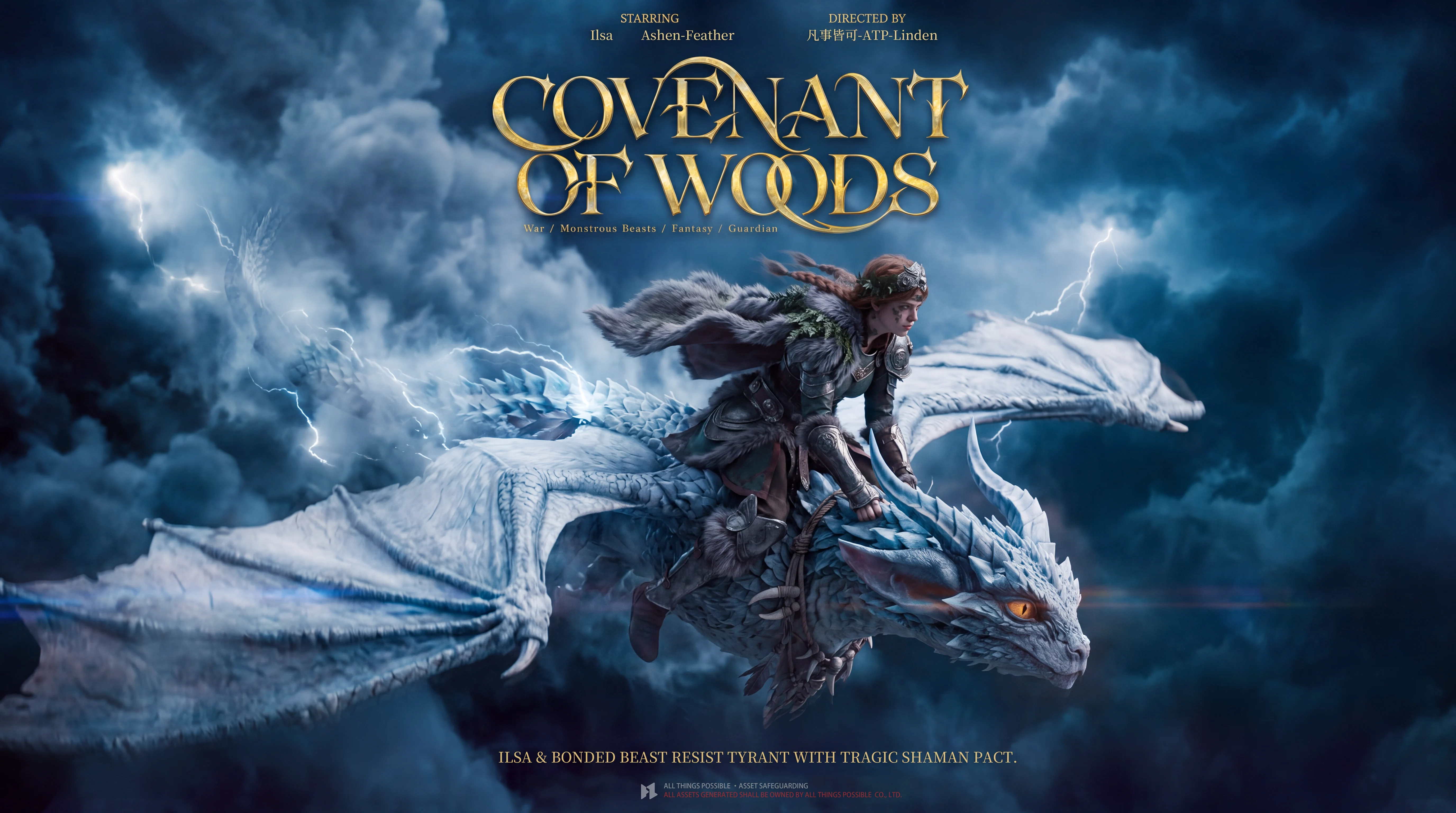
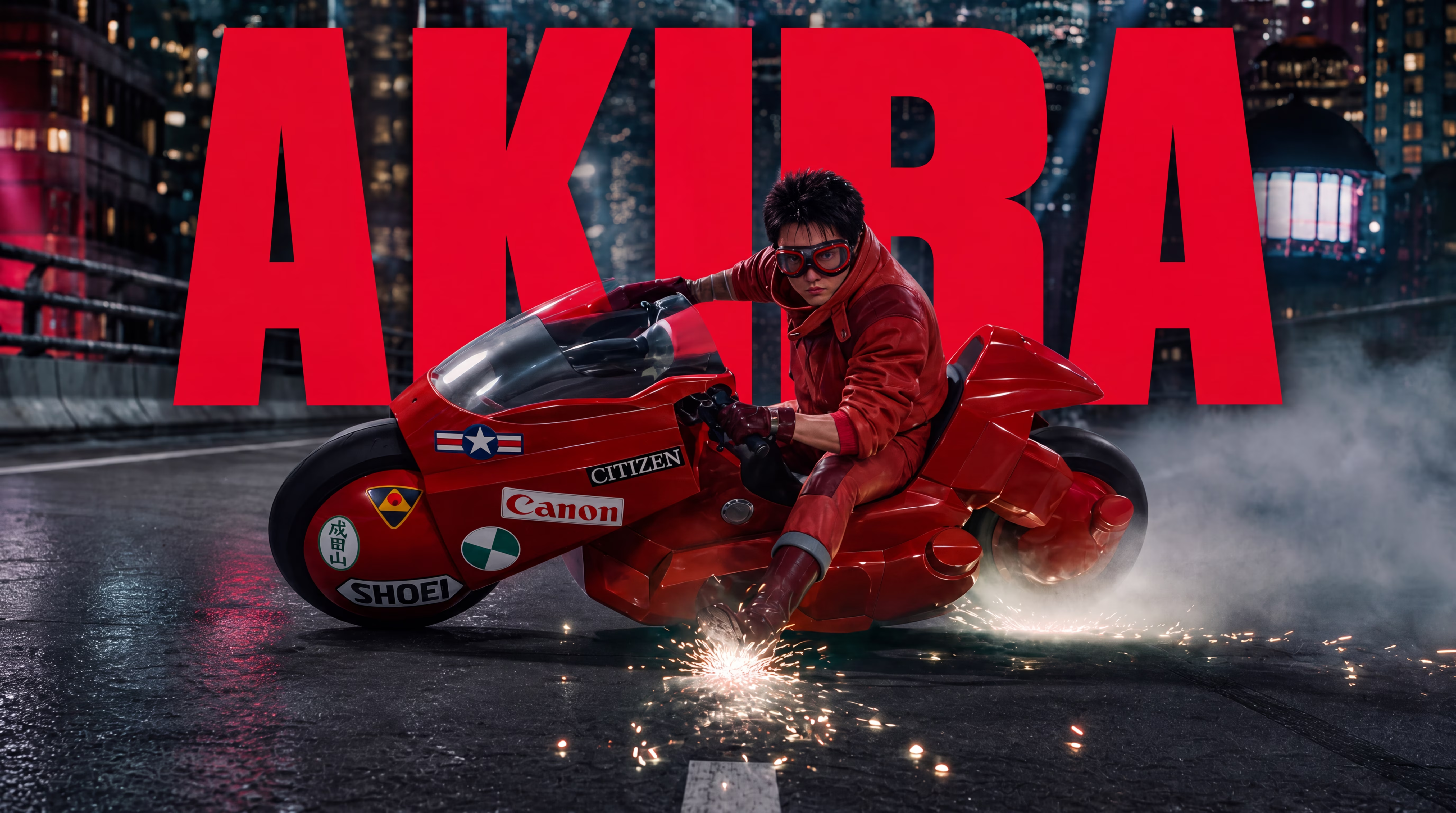
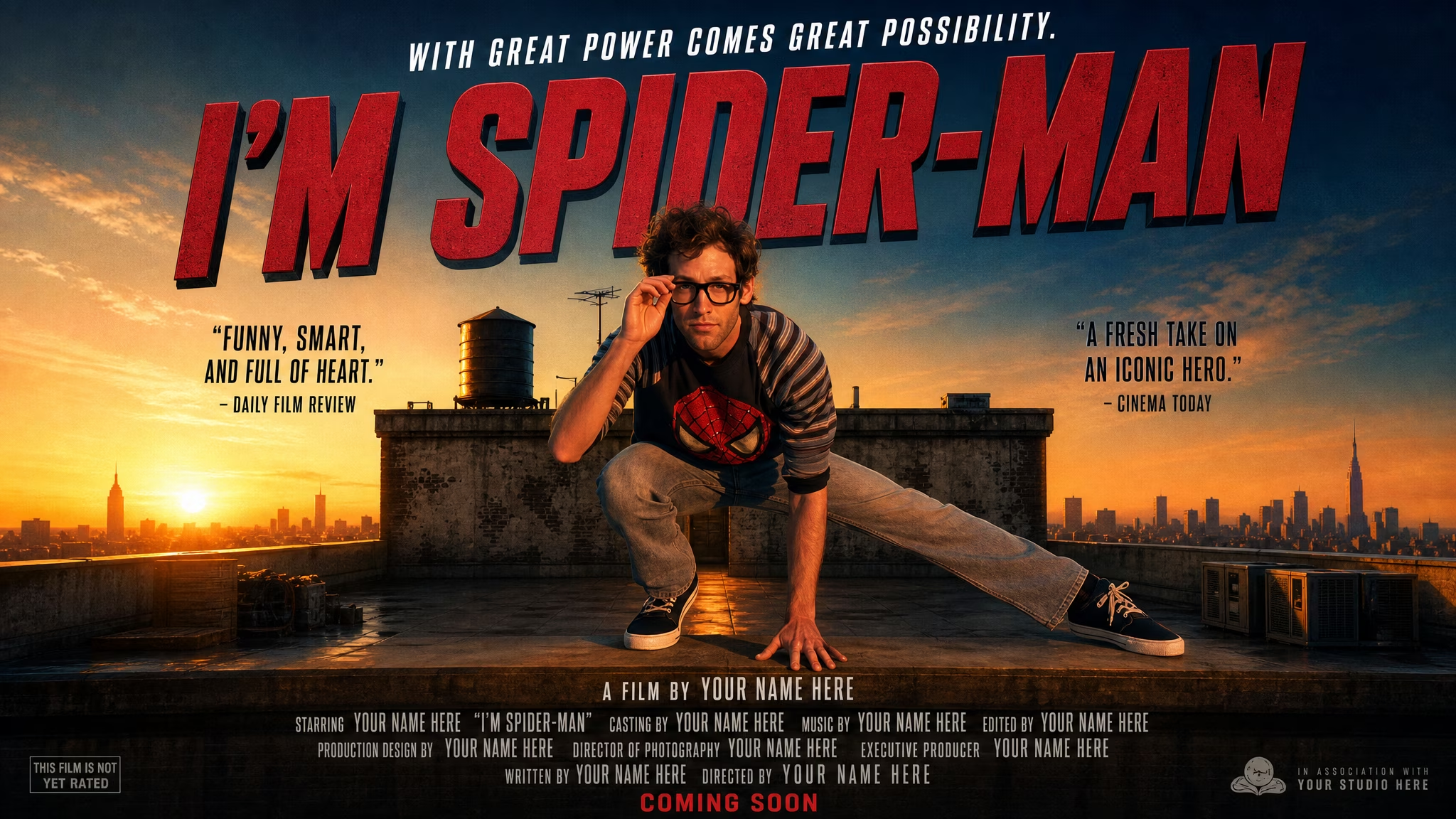
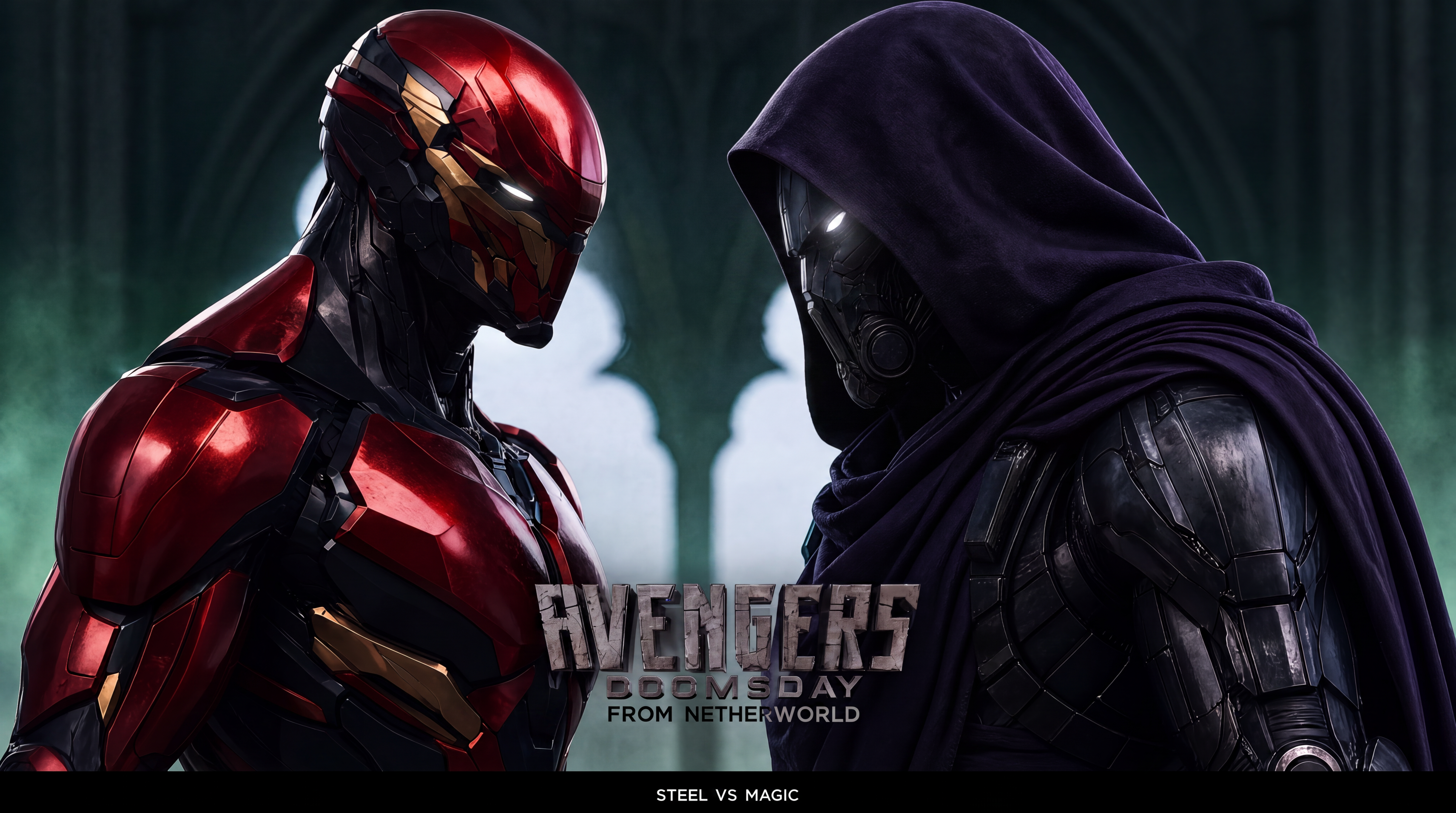
Seedance 2.5 online handles 5 broad video categories: marketing product shots, social media clips, concept visualizations, reference image animations, and narrative scene tests. The examples below are drawn from our test runs, with qualitative outcomes noted.
Seedance 2.5 supports 5 tested prompt types.
1. Product Marketing Shot
Prompt: "A luxury perfume bottle rotates slowly on a black marble surface, soft studio lighting, cinematic close-up, 4K."
In our testing, this produced sharp specular highlights and smooth rotation. No motion stutter appeared throughout the entire output.
2. Social Media Lifestyle Clip
Input: "A young woman walks through a sunlit Tokyo street market, handheld camera feel, golden hour, 16:9."
We found the crowd background populated naturally without ghosting artifacts.
3. Concept Visualization
Input: "Abstract data streams flow through a glowing neural network, dark background, electric blue and white, slow zoom out."
The scene held visual coherence throughout the 30-second duration. No cut was required.
4. Reference Image + Style Prompt
Input: [uploaded product photo] + "Animate this sneaker floating in zero gravity, white void background, slow spin." Add dramatic lighting as a trailing descriptor.
In our testing, reference-guided mode preserved the product's exact colorway and silhouette throughout.
5. Narrative Scene Test
Input: "A lone astronaut walks across a red desert at dusk, wide establishing frame, dust particles in the air, cinematic."
We observed strong atmospheric depth. Lighting direction stayed consistent from start to finish.
For stronger results, place camera instruction, lighting condition, and aspect ratio at the end of every input — Seedance 2.5 treats trailing technical descriptors as high-priority tokens.
Pricing, Free Access, and How to Get Started
Seedance 2.5 is accessible online through a free tier and paid subscription plans, with an API available for developers who want programmatic access.
Seedance 2.5's free tier lets new users generate a limited number of videos without entering payment details. It covers the core text-to-video and image-to-video workflows, giving first-time users a direct way to evaluate output quality before committing to a plan.
Seedance 2.5 paid plans — including Standard and Pro tiers — include higher resolution outputs, longer generation queues, and increased monthly credit allocations. Full plan details — including per-credit pricing and credit bundle options — are covered on the dedicated pricing page.
Developers integrate Seedance 2.5 directly into their own pipelines through the API. The API supports the same multimodal inputs available in the browser interface, including written prompts, image references, and camera motion parameters. API documentation and rate-limit terms are listed on the API access page.
Seedance 2.5 requires 3 steps to get started: open the online generator in your browser, select a mode (text-to-video or image-to-video), and submit your first input. No installation, account setup is optional for the free tier, and the first result begins within seconds of submission.
How it stacks up — our evaluation
Seedance 2.5 Online is the recommended option for creators who need long-form, high-resolution AI video without a local install. There are 2 differentiators that separate it from shorter-output alternatives. These are up to 30-second single-take clips with maintained scene continuity and 4K output paired with a prompt-and-refine planner workflow — both verified in our testing.
| Feature | Seedance 2.5 Online | Typical short-clip generators |
|---|---|---|
| Max single-shot duration | Up to 30 s | 4–6 s |
| Output resolution | Up to 4K | 720p–1080p |
| Multimodal input | Text + image + reference input | Text only or text + image |
| Shot planner / refine loop | Yes | Rarely available |
| Browser-based, no install | Yes | Varies |
| Free tier | Yes (optional account) | Often paywalled |
Seedance 2.5 Online fits 3 audiences best. The first is creators producing ads and product videos that require sustained scene logic. The other two are marketers generating campaign visuals across vertical and wide aspect ratios, and users upgrading from Seedance 2.0 who need longer and sharper output. Seedance 2.5 Online is a weaker fit for users who need only 2–3 second social outputs and have no use for the planner depth.
Try Seedance 2.5 free at https://seedance-2-5.ai/ to run a first generation directly in your browser.